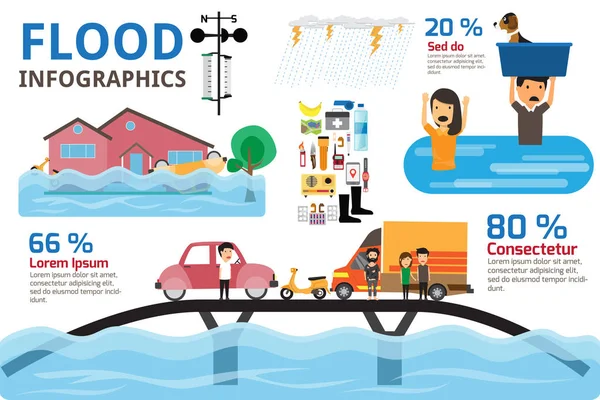
When flooding or a pipe ruptured occurs, your prompt reaction can make all the distinction. First, you'll require to shut off the primary water supply and check for any type of electric risks. After guaranteeing your security, it's essential to evaluate the damages and document every little thing for insurance coverage objectives. The next steps are essential in stopping more issues, so allow's check out just how to properly start the cleaning and restoration procedure.
Shut down the Water and Ensure Safety
When confronted with water damages, the first step is constantly to shut off the supply of water-- this can avoid more flooding and minimize damage.
Locate the main shut-off shutoff and transform it clockwise up until it's totally closed.
Next, ensure your security. Try to find electric threats, and stay clear of standing in water if there are real-time wires. If it's harmful, leave the area right away.
As soon as you're safe, look for architectural damage; if you notice any drooping ceilings or wall surfaces, stay out of those spaces.
Record the scenario with images, but focus on safety initially.
After securing the location, you can begin considering your next actions for restoration.
Prioritize your health throughout this stressful process.
Exactly How to Review Water Damage and Maintain Records for Insurance?
As you examine the extent of water damages, it's essential to document every little thing for insurance functions. Begin by taking clear pictures of impacted locations, catching both vast shots and close-ups.
Keep in mind the kind of damages-- whether it's from flooding or a pipe ruptured. Listing damaged items, including furnishings, appliances, and personal belongings, with their estimated values. Preferably, collect invoices or purchase documents for these things.
Make a comprehensive account of when the damage occurred and any type of activities you took later. This info will certainly sustain your insurance claim and aid expedite the procedure.
Lastly, keep all paperwork arranged and readily available, as your insurer might require added details later.
Beginning Clean-up and repair
Start the cleanup process as soon as it's safe to do so. Begin by eliminating any kind of standing water with a pump or damp vacuum. If it's safe, switch off the power to stay clear of shocks. Use protective gear like handwear covers and boots to keep on your own safe from impurities.
Next, take out drenched furniture, rugs, and anything else that can not be dried. Open windows and doors to advertise airflow, which aids with drying out. Use followers and dehumidifiers to quicken the process.
Look for hidden wetness in walls and floors, as this can bring about mold. environmental testing for your insurance policy claim.
Finally, if the damage is comprehensive, don't hesitate to call specialists to help with the repair.
Verdict
In the after-effects of flooding or a pipeline burst, acting swiftly can save you money and time. Turn off the water, ensure your safety and security, and file every little thing for insurance coverage objectives. Begin property damage by getting rid of standing water and getting rid of damaged products. Do not neglect to put on safety gear and boost air flow to dry out the area. By taking these actions, you can successfully take care of the circumstance and protect against more problems like mold growth. Stay https://communityimpact.com/phoenix/tempe/transportation/2022/05/23/us-60-lanes-open-for-westbound-traffic-following-water-damage-repairs/ and safe!